
Search is changing faster than at any point in the past decade. Australians now see AI-generated summaries at the top of many Google results, conversational tools are answering questions that once sent people straight to a website, and local listings compete for attention alongside ads and maps. For businesses investing in search engine optimisation services in Melbourne, the question is no longer simply how to rank, but how to remain visible, credible and chosen wherever customers are searching.
How Search Results Have Changed
In October 2024, Google began showing AI Overviews to Australian users. When someone types a question, Google can now generate a short answer at the top of the results page, citing the websites it drew from in a panel beside the summary or as links within the text. For informational searches in particular, many people read that answer before reaching the regular listings, and some never scroll further.
SEO still matters, but the way it pays off has shifted. Pages that explain a topic clearly, accurately, and in a logical order are more likely to be cited in these summaries, while thin or outdated pages are more easily passed over. Commercial and local searches work a little differently. Someone looking for a plumber in Ringwood or an accountant near the CBD still wants to compare providers, so websites, business profiles and review sites remain where most of those decisions are made.
What Search Engines Are Looking For
Google has long encouraged businesses to create helpful, reliable content written for people first. Its guidance emphasises experience, expertise, authoritativeness and trustworthiness as qualities that help identify useful content. In practical terms, that means content that answers real questions in depth, demonstrates firsthand knowledge and is clearly connected to a credible organisation.
AI-driven search makes these qualities even more valuable. When a system is choosing which sources to summarise or cite, clarity and credibility help a page stand out. Vague, repetitive, or keyword-stuffed content offers little value to readers or algorithms.
The Foundations That Still Matter
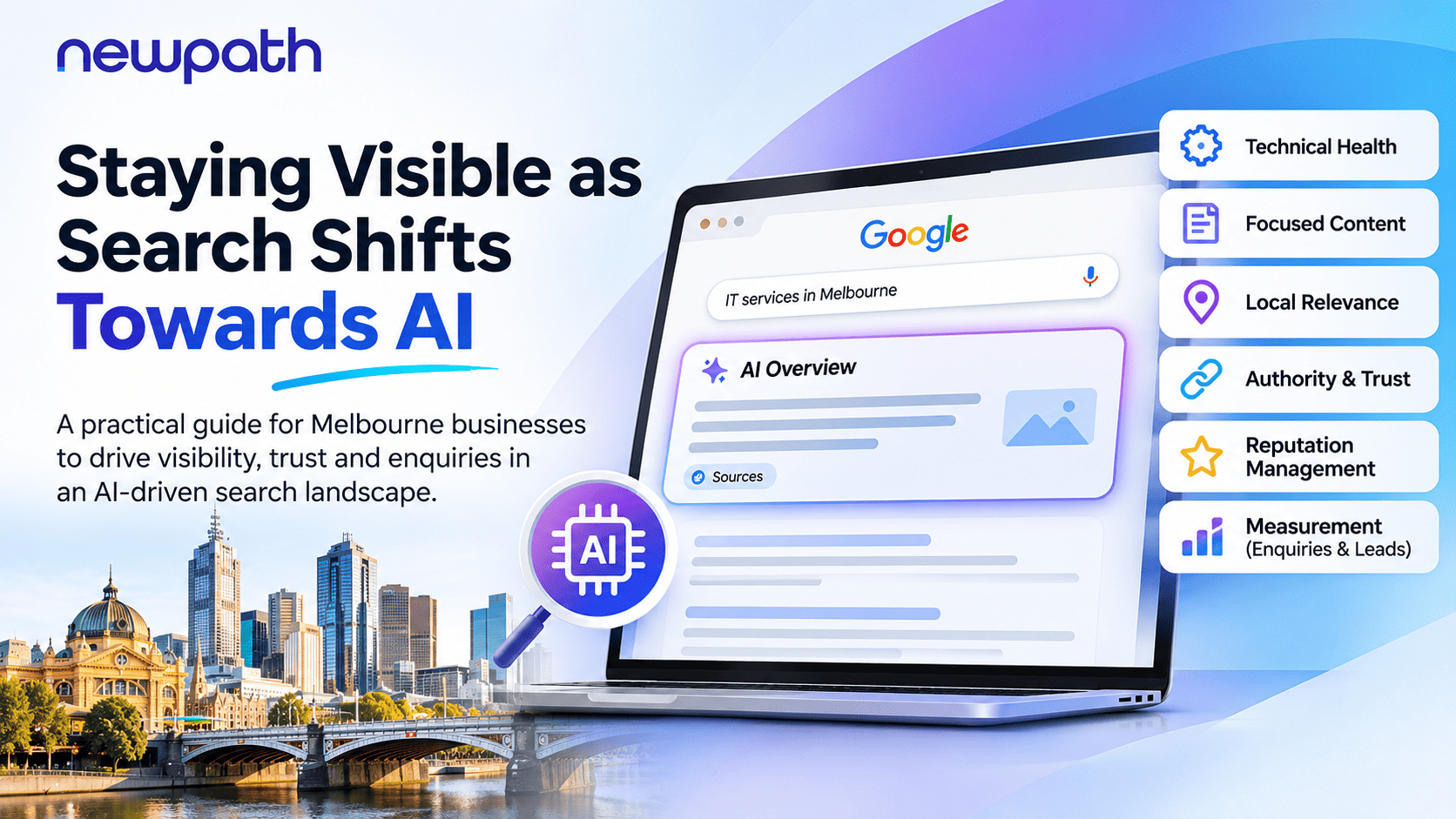
However results are displayed, the basics of SEO have not changed much. Most effective strategies cover:
- Technical health. Search engines can crawl and index pages more easily when they load quickly, work well on mobile devices, use HTTPS, and follow a logical structure.
- Focused content. Each service page or guide should answer a specific customer question directly, with headings that reflect how people phrase their searches.
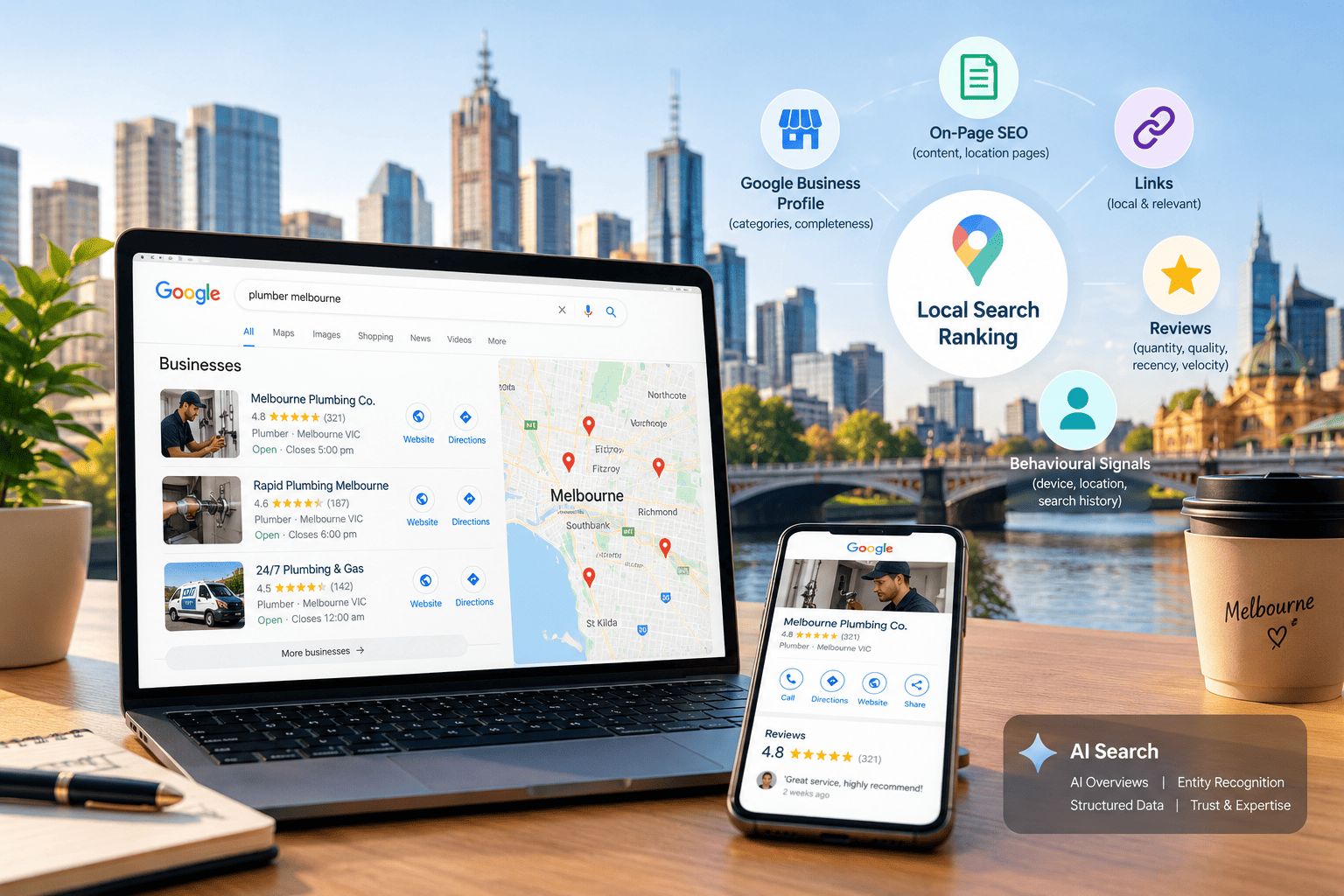
- Local relevance. A complete business profile, dedicated location pages and the same contact details on every listing help a business appear in map results.
- Links and mentions from respected industry bodies, suppliers and local organisations add weight to a website.
- Tracking enquiries, calls and bookings alongside rankings shows whether search is actually bringing in work.
Each of these supports the others. Faster pages give good content a better chance to perform, useful content attracts links, and those links help a site appear in both standard results and AI summaries.
Writing for People and Machines Alike
The best content for modern search reads naturally to people while staying easy for machines to interpret. Clear headings that reflect the questions customers ask, concise answers near the top of a section and supporting detail beneath help on both fronts. Question-and-answer formats can work particularly well because they mirror how people phrase searches and how AI tools present information.
Regular review is also important. Inconsistent information, outdated statistics, or terminated services may destroy trust. Keeping essential pages up to date shows users and search engines that the company is dependable and engaged.
Original insight is another advantage. Case studies, project examples, data from the business’s own experience and commentary from team members with relevant expertise are difficult for competitors to copy and give AI tools something distinctive to reference. Clear author information and an accessible About page also help demonstrate who stands behind the content, reinforcing the trust signals that search engines increasingly value.
Why Reputation Now Influences Visibility
When people can ask a search engine a question and receive a summarised answer, what others say about a business becomes part of that answer. Reviews, star ratings, media coverage and forum discussions all shape how customers, and the systems summarising the web, see a business. A company can rank on page one and still lose enquiries to a competitor whose recent reviews are stronger.
For that reason, reputation management and SEO work best as one effort. Asking satisfied customers for reviews, replying to each one and dealing with complaints promptly all build credibility over time. In Australia, any review strategy also has to comply with the Australian Consumer Law, which prohibits fake or misleading reviews and limits how incentives can be offered. Getting this right protects the brand and its search presence at the same time.
Measuring What Matters
Because AI summaries now answer some questions on the results page itself, traffic numbers alone can be misleading. A page might be quoted in an AI Overview, help a customer choose a provider and still never record a visit. It makes more sense to measure what the business actually receives, such as enquiries, bookings, quote requests, phone calls and sales. Looking at how people arrive, which pages they read and where they get in touch then shows which parts of the site are pulling their weight.
Search Console data, analytics and call tracking together can reveal which queries trigger impressions, how click-through rates are changing and which content contributes to leads. These insights guide where to invest next, whether that means improving existing pages, creating new content or strengthening local presence.
Building a Strategy for What Comes Next
Businesses that prioritise usefulness, trustworthiness, and a solid technical foundation will be best positioned to adjust as search continues to change. The best strategy is to gain a thorough understanding of clients and properly showcase the company wherever they seek solutions, rather than chasing every algorithm update. That includes reviewing how the business appears in AI summaries, map results and review platforms as well as on its own website, then closing any gaps between them.
At Newpath Web, we help organisations combine technical SEO, content strategy and local search with online reputation management services that build lasting trust and keep businesses visible as search continues to change.