
Most people now reach for an app before they reach for a browser. Booking a table, checking a balance, tracking a delivery, all of it happens inside a handful of apps people open dozens of times a day without thinking twice. For businesses trying to build that kind of habit with their own customers, choosing the right mobile app development company in Melbourne has become one of the more consequential decisions in the whole digital strategy, not a smaller add on to a website project. The right partner shapes whether an app becomes part of a customer’s daily routine or quietly disappears from their phone within a month.
Why Businesses Are Investing in Mobile Apps
The shift toward mobile has been building for years, but the gap between a mobile friendly website and a proper app has widened rather than closed. A responsive website can display information well enough on a small screen, but it still asks a customer to open a browser, find the site again, and wait for pages to load each time. An app sits on the home screen, opens instantly, and can send a notification the moment something relevant happens. For businesses where repeat engagement matters, whether that is a retailer, a service provider, or a platform built around ongoing customer activity, that difference in convenience translates directly into how often people come back.
What Separates a Strong App from a Forgettable One
With millions of apps competing for attention across the App Store and Google Play, standing out takes more than a functional build. Plenty of apps technically work and still get deleted within a week because the experience felt clunky, slow, or confusing to navigate. A strong app earns its place on someone’s home screen by solving a specific problem cleanly, loading quickly, and getting out of the user’s way rather than demanding attention it has not earned. Getting there usually means understanding the audience closely before a single screen gets designed. A tech confident user base can handle a more advanced interface with layered features, while a broader consumer audience typically needs something far simpler, with the core action front and centre from the first screen.
iOS and Android: Two Different Disciplines
Despite often being planned together, iOS and Android development are two distinct disciplines, not the same app built twice. Apple’s platform is known for its strict security architecture and consistent hardware, which lets developers build with tighter assumptions about performance and data protection. That security reputation matters directly to users too, particularly for apps handling payments or personal information, where people tend to feel more confident completing a transaction on iOS. Android, by contrast, spans a much wider range of devices and screen sizes, which demands its own testing and design considerations. A capable development team treats these as related but separate builds, rather than assuming a single design will translate cleanly across both.
What a Proper App Development Process Actually Involves
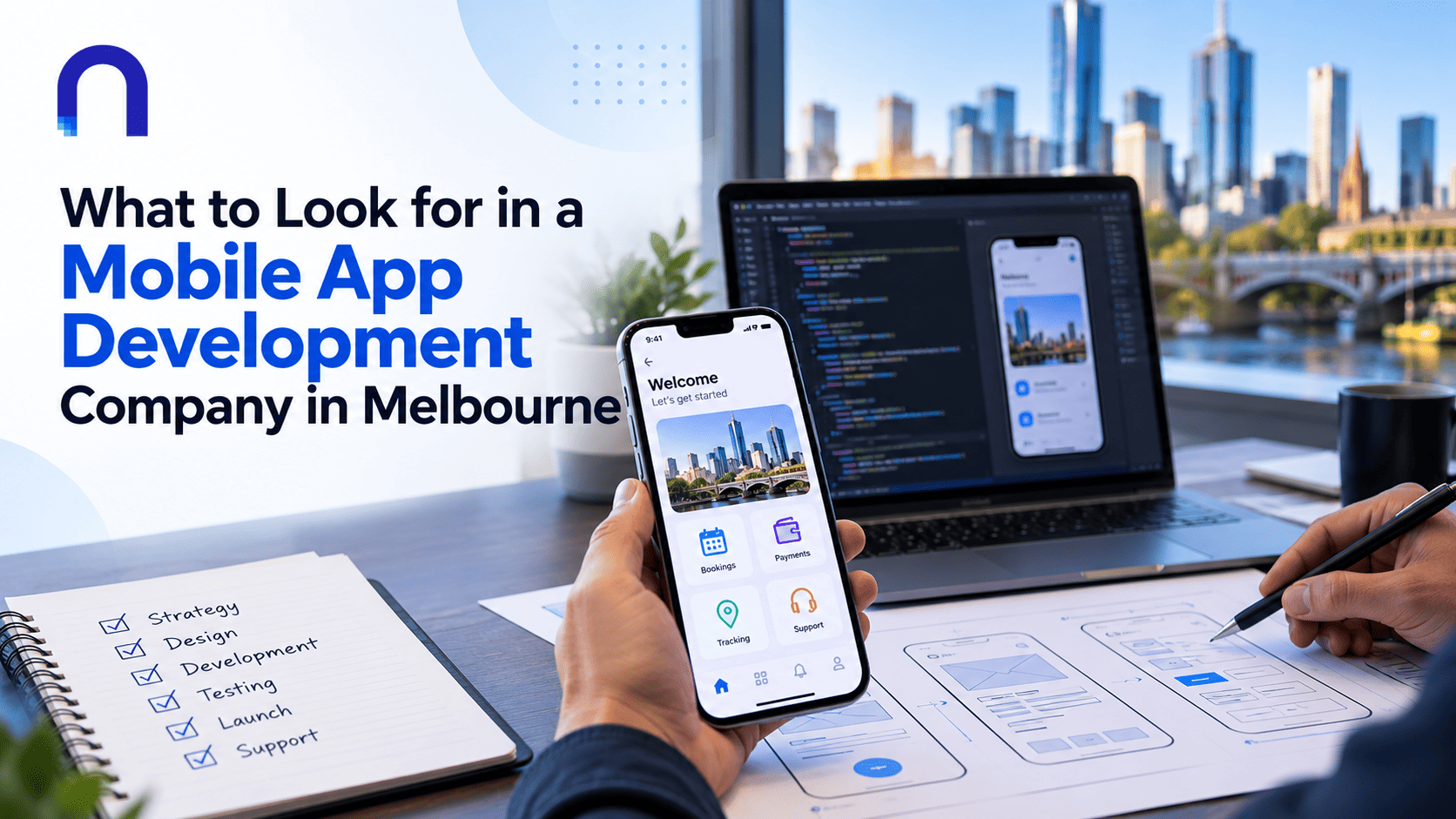
A well-run app project typically moves through several distinct stages, each shaping what comes next.
- Discovery and planning, clarifying exactly what problem the app solves and for whom
- Interface and experience design, mapping out how a user actually moves through the app before any code gets written
- Development across the chosen platforms, built to perform well rather than simply function
- Testing across a range of devices and real-world conditions, not just the developer’s own phone
- Launch and store submission, followed by monitoring and updates once real users start interacting with it
Skipping ahead to development before the earlier stages are properly worked through tends to surface as a clunky, poorly considered app further down the line, one that looks fine in a demo but frustrates real users within the first few sessions. Fixing that after launch almost always costs more than slowing down at the planning stage.
Why Local Melbourne Expertise Still Matters
App development might seem like the kind of work that could happen anywhere, but working with a Melbourne-based team still carries real advantages. In-person workshops during the discovery phase tend to surface details that get lost in a written brief, and having a team in the same time zone means feedback loops move faster during testing and refinement, when timing often matters most. A local team is also more likely to have already worked with Australian businesses navigating similar customer expectations and app store requirements, not assumptions built for an entirely different market.
Building Apps That Actually Get Used
At Newpath Web, we have built apps across a range of industries, from consumer-facing platforms to fintech products handling real financial transactions, including a mobile investment app built for Empire Club using Swift and the Android SDK that helped the business win a spot in Anthill Magazine’s SMART 100. That range of experience shapes how we approach every new project, treating each build as its own problem to solve rather than a template to repeat. If your business is considering iPhone app development or weighing up whether an app makes sense for where you are heading next, get in touch with the Newpath team to talk through what the right approach looks like for you.