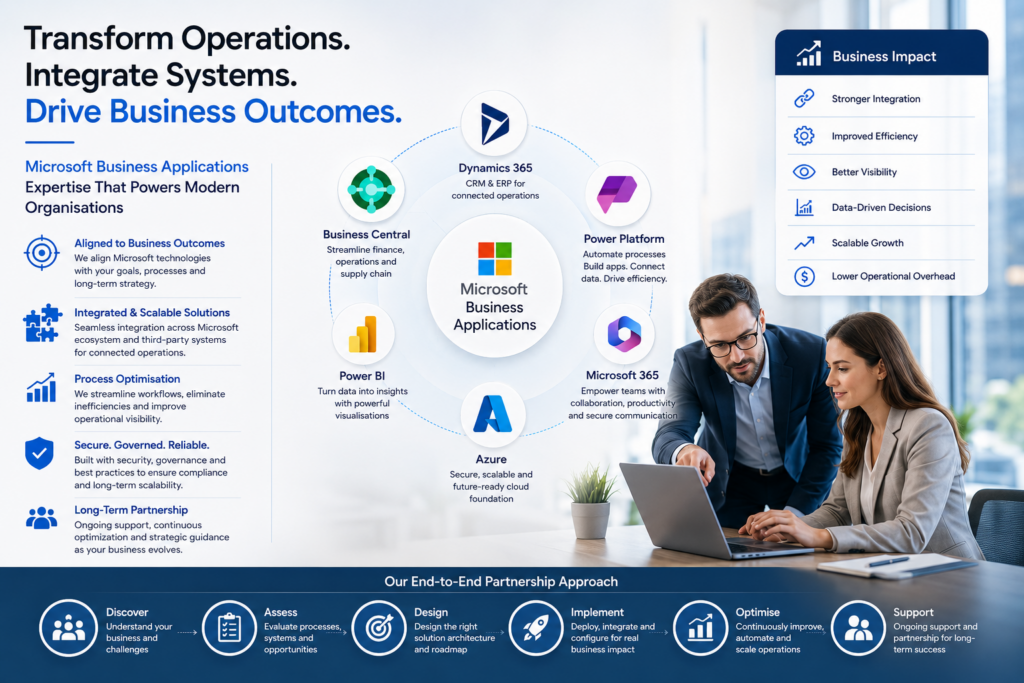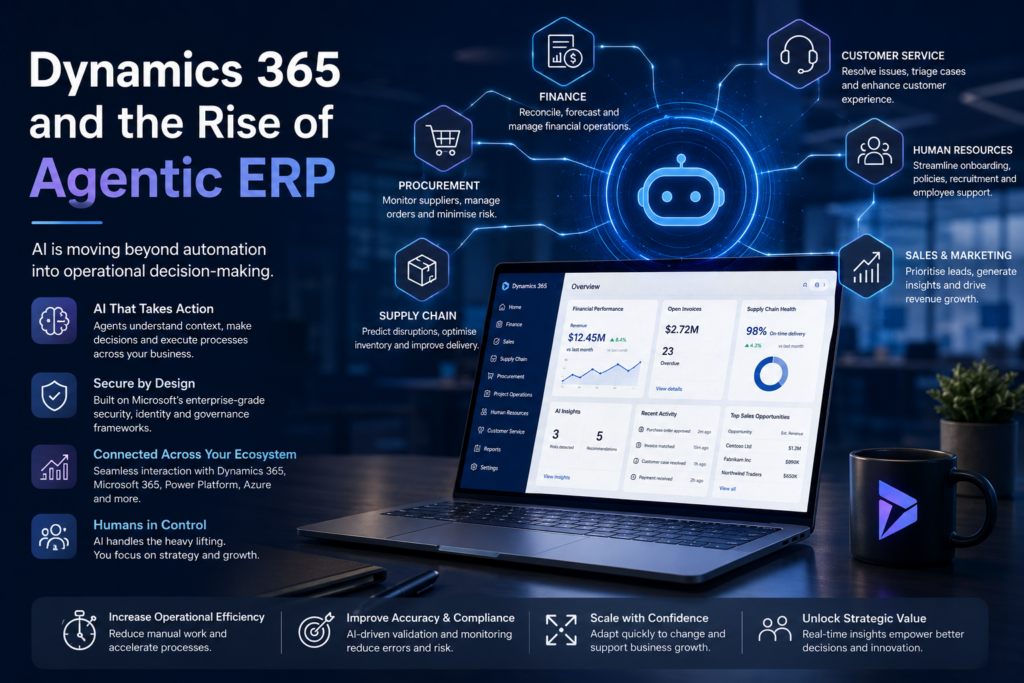





Implementing Microsoft Dynamics 365 is a strategic investment that can transform how your organisation manages operations, customers, and data. However, success depends not only on the software itself but also on the expertise of the partner you choose to guide your implementation. The right partner can streamline deployment, optimise configurations, and ensure your solution delivers long-term business value. The wrong choice, on the other hand, can lead to missed deadlines, budget blowouts, and low user adoption.
- Start with Experience and Expertise
When choosing an implementation partner, experience matters. Look for a partner with a proven track record of successful Dynamics 365 projects, ideally within your industry. Industry-specific experience means they’ll understand your business challenges, regulatory requirements, and operational nuances — and will know how to tailor the D365 solution accordingly.
Ask potential partners for case studies or client references that demonstrate their experience. Look beyond the number of projects completed; assess their depth of involvement, from strategy and planning to post-launch support.
A good implementation partner should also have certified consultants who are trained across multiple D365 modules, such as Sales, Finance, Supply Chain, and Customer Service. This breadth ensures they can support cross-functional integrations and future expansions.
- Evaluate Technical Capability
Dynamics 365 is not just a standalone application — it’s an ecosystem that integrates with Microsoft Power Platform, Azure, and Microsoft 365. A technically capable partner will understand how to bring these tools together to deliver a unified solution that enhances business performance.
Check whether your potential partner offers additional capabilities such as:
- Power Platform development and automation
- Azure data and infrastructure management
- Power BI reporting and analytics
- Integration with third-party applications
- Assess Their Implementation Methodology
Different partners use different methodologies for deployment. The best Microsoft D365 implementation partners follow structured, transparent, and iterative approaches — typically aligned with Microsoft’s Sure Step or Agile frameworks.
Ask how they handle key stages, including:
- Discovery and planning: Do they take time to understand your business processes?
- Configuration and customisation: How do they ensure modifications align with business goals?
- Testing and training: What strategies are in place to ensure quality assurance and user readiness?
- Go-live and support: What post-launch support models do they offer?
A reliable partner will maintain open communication, provide clear milestones, and involve your internal stakeholders throughout the process. Avoid partners who promise overly aggressive timelines or skip crucial planning phases, as these are often signs of rushed delivery.
- Consider Scalability and Future Needs
Your business will evolve, and so should your D365 system. Choose a partner who thinks beyond the immediate implementation and helps plan for future scalability. They should advise you on how your solution can expand as your operations grow, whether that means adding new modules, integrating advanced analytics, or automating workflows.
A future-focused partner will also keep you informed about Microsoft’s product roadmap — ensuring your solution remains up to date with the latest innovations and compliance standards.
- Examine Support and Post-Implementation Services
A successful D365 implementation doesn’t end at go-live. Ongoing support is critical to system performance, security, and user satisfaction. Strong post-launch support ensures your system continues to operate efficiently and evolves alongside your business needs. When evaluating partners, inquire about their post-implementation services:
- Do they offer tiered support packages?
- How do they handle incident response and troubleshooting?
- Do they provide user training and continuous improvement sessions?
- Are updates and upgrades included in their maintenance plans?
- Check Communication and Cultural Fit
Technology projects are collaborative by nature. The partner you choose will work closely with your internal teams, often for months or even years. A successful partnership requires open communication, mutual trust, and shared values.
Assess how well the partner listens to your concerns and explains technical concepts in business terms. Do they take time to understand your organisational culture and communication style? Are they proactive in sharing progress and potential risks?
A partner who acts as a strategic advisor — rather than just a vendor — will contribute significantly to the project’s success.
- Understand Their Cost Structure
Cost is an important factor, but it shouldn’t be the only one. Beware of partners who offer low initial quotes but exclude essential elements such as user training, data migration, or post-launch support.
Request a detailed cost breakdown that includes all stages of implementation, licensing, and support. Transparent pricing allows you to plan your budget effectively and avoid unpleasant surprises later.
Value-driven partners focus on delivering measurable return on investment (ROI), not just short-term savings.
- Verify Certifications and Microsoft Partnership Level
Microsoft’s Partner Network classifies organisations based on expertise and performance. Partners with Solutions Partner or Specialist designations in Business Applications demonstrate advanced technical competence and customer success in Dynamics 365 implementations.
Choosing a certified Microsoft partner ensures they have access to exclusive tools, training, and product insights — all of which contribute to a more robust and reliable deployment.
- Ask About Customisation and Integration Strategy
Every business has unique processes that may require system customisation. However, excessive customisation can complicate maintenance and upgrades. A skilled implementation partner will find the right balance, using configuration tools and low-code solutions before resorting to heavy development.
Ask how they handle third-party integrations — such as linking D365 with your existing ERP, eCommerce, or marketing platforms — and how they ensure data consistency across systems.
Selecting the right Microsoft Dynamics 365 implementation partner is one of the most critical decisions in your digital transformation journey. The ideal partner brings a blend of industry experience, technical expertise, and a collaborative approach — ensuring that your implementation not only meets current needs but also supports long-term growth.
By following this structured evaluation process — examining credentials, methodology, scalability, and communication — organisations can choose a partner that drives efficiency, innovation, and value.
In a competitive landscape, partnering with trusted Microsoft D365 implementation partners ensures your business maximises the full potential of Dynamics 365 — creating a seamless, future-ready platform that empowers your team and strengthens your competitive edge.