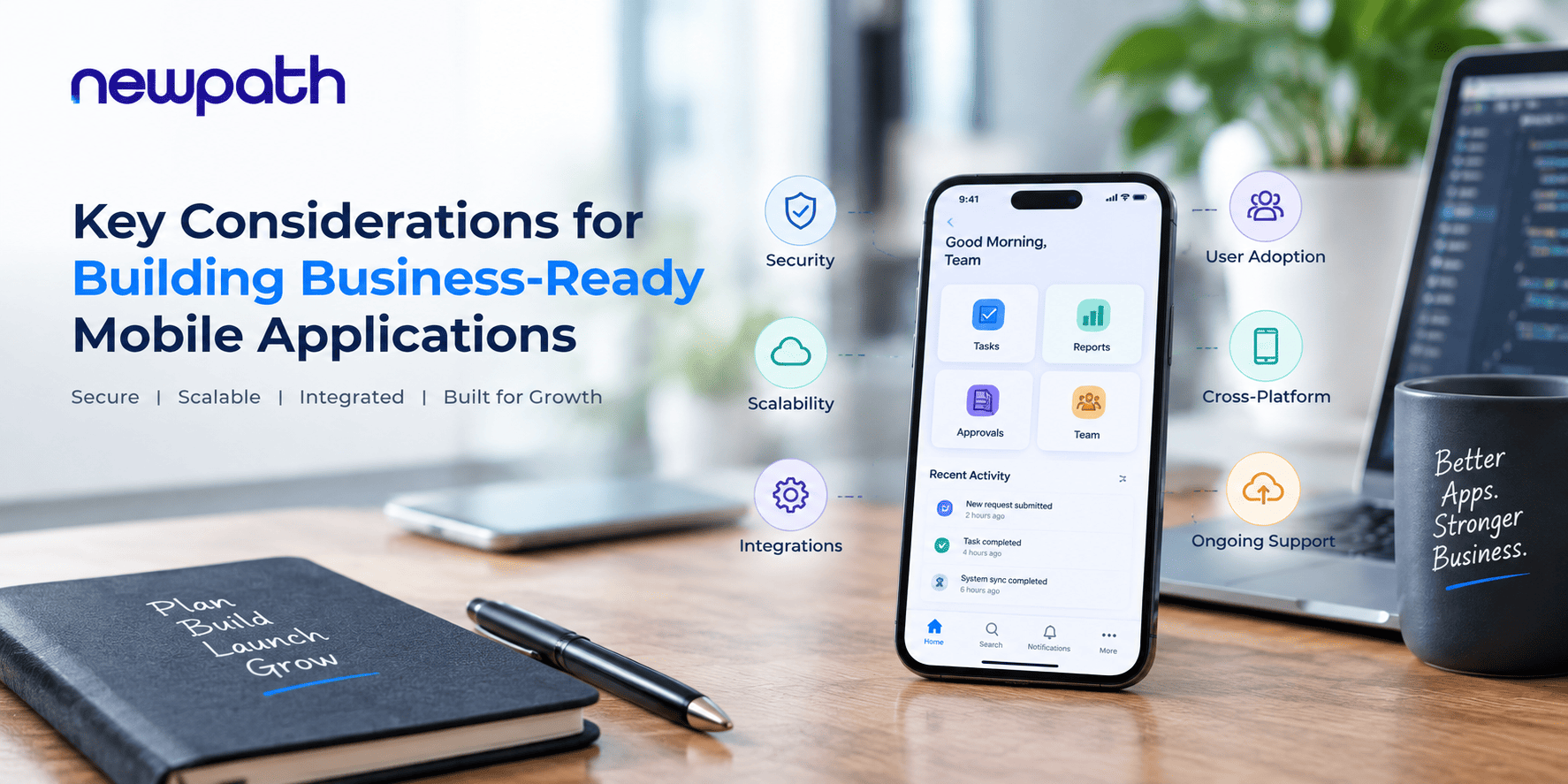



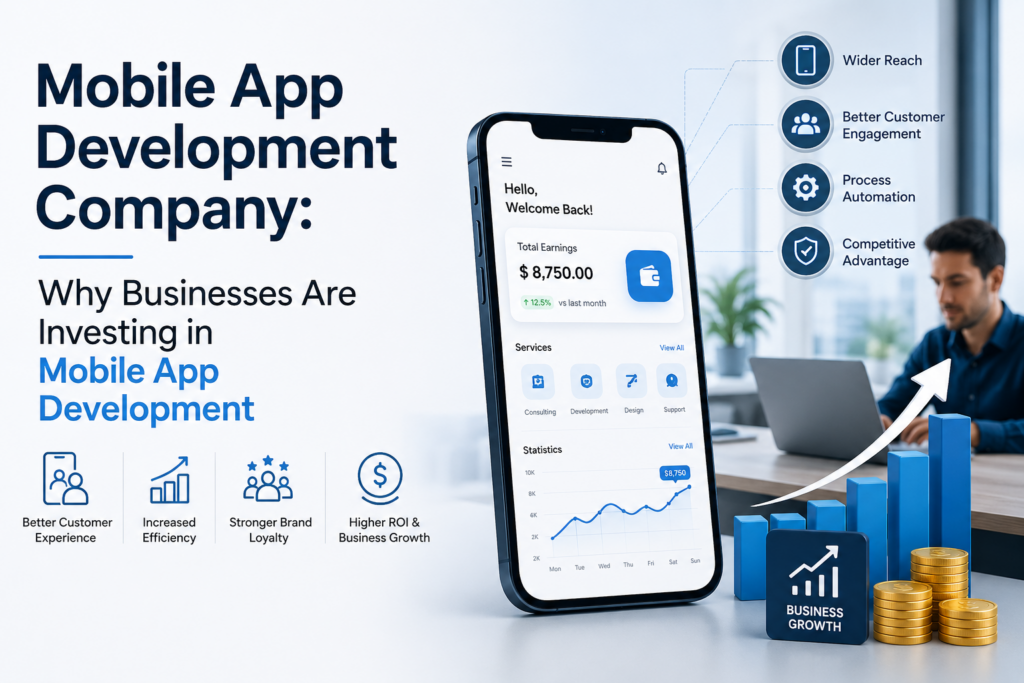

Mobile applications have become an increasingly important part of modern business operations and customer engagement strategies.
Consumers and businesses now expect digital experiences that are:
- fast
- accessible
- mobile-first
- personalised
- always available
As a result, organisations across many industries are investing in mobile applications to improve customer experience, operational efficiency and service delivery.
Demand for professional mobile app development companies continues to grow as businesses seek scalable, secure and high-performing mobile solutions.
Mobile Apps Are No Longer Limited to Large Enterprises
Historically, mobile app development was often associated with large consumer brands or enterprise organisations with significant technology budgets.
Today, mobile applications are used across a much broader range of industries and business sizes.
Organisations increasingly develop mobile apps for:
- customer engagement
- online services
- internal operations
- workforce mobility
- field service management
- eCommerce
- appointment management
- education and training
- healthcare delivery
- business automation
Mobile technology has become a core component of digital transformation.
Why Businesses Choose Custom Mobile App Development
While off-the-shelf platforms can solve some operational needs, many organisations require custom mobile applications tailored to their workflows and customer requirements.
Custom mobile app development provides:
- greater flexibility
- better scalability
- custom integrations
- stronger security control
- improved user experience
- business-specific functionality
This is particularly important for organisations with:
- complex operational processes
- unique customer experiences
- integration requirements
- industry-specific compliance needs
Native vs Cross-Platform Development
One of the most important decisions in mobile app development is selecting the right technology approach.
Native Mobile Development
Native apps are built specifically for:
This approach provides:
- strong performance
- platform-specific optimisation
- improved device integration
- high-quality user experiences
However, native development often involves higher development and maintenance costs.
Cross-Platform Development
Cross-platform frameworks allow developers to build applications that operate across multiple platforms from a shared codebase.
Benefits include:
- faster development
- lower maintenance overhead
- reduced development cost
- improved deployment efficiency
Choosing between native and cross-platform development depends on business requirements, performance expectations and long-term strategy.
Mobile App Development Requires Strategic Planning
Successful mobile applications involve more than technical development.
Projects should include:
- business analysis
- UX design
- customer journey mapping
- architecture planning
- security assessment
- integration strategy
- scalability planning
Many app projects fail because organisations focus too heavily on features rather than customer value and operational outcomes.
User Experience Is Critical
Mobile users have extremely high expectations.
Poor user experience quickly leads to:
- low engagement
- app abandonment
- poor reviews
- reduced adoption
Strong mobile applications prioritise:
- intuitive navigation
- fast performance
- accessibility
- responsive interactions
- minimal friction
UX design is often one of the most important factors in app success.
Security and Scalability Matter
Mobile applications frequently handle sensitive customer or operational data.
Security considerations may include:
- authentication
- encryption
- secure APIs
- compliance requirements
- data storage
- device security
Scalability is equally important.
Applications should be designed to support:
- user growth
- new features
- integration expansion
- evolving business requirements
Mobile Apps and Business Integration
Modern mobile applications rarely operate independently.
Many apps integrate with:
- CRM systems
- ERP platforms
- websites
- customer databases
- payment systems
- cloud services
- automation platforms
Integration capability significantly affects long-term operational value.
Choosing a Mobile App Development Company
Businesses evaluating mobile app development companies should consider:
- technical capability
- UX expertise
- integration experience
- scalability planning
- communication quality
- post-launch support
- security capability
A strong development partner should understand both technology and business operations.
Final Thoughts
Mobile applications continue to play a growing role in digital engagement and operational efficiency.
Businesses investing in mobile app development need solutions that are secure, scalable and aligned with long-term business goals.
The most successful mobile applications are not simply technically functional.
They deliver meaningful operational value and high-quality customer experiences.